
Desire, in reality, is a process that unfolds over time, not just a fleeting wish.
Every outcome you admire, envy, or quietly long for follows a path — from imagination to probability.
It always begins at the same place: impossible.
Impossible is not a statement about reality. It is a statement about belief. When something feels impossible, you do not explore it. You do not test it. You do not move toward it. The mind closes the case before the body ever takes a step.
Consider someone who wants to start a business at thirty-five. To them, the idea feels absurd. They have bills, responsibilities, a lack of experience, and no clear plan. Because it feels impossible, they never research the market. They never reach out to potential mentors. They never take the courses or build the skills that could open the door. The outcome stays out of reach — not because it was unreachable, but because it was never approached.
Now notice what happens when one question enters the picture.
What if?
What if I actually started this business? What would a day in that life look like? How would I structure my time? How would I manage the stress? What would it feel like to see it grow?
Nothing has changed externally, yet something important has shifted internally. The mind has stopped rejecting the idea. It has allowed the image to exist. The desire has moved from impossible to possible.
At the stage of possibility, the future is no longer dismissed. It is uncertain, but open. The mind treats it like a coin in the air. It could land either way.
This is where most people stop. They imagine, feel inspired for a moment, and then return to their old routines. Possibility without movement fades quickly.
The transition that matters is the one from possibility to probability.
This happens the moment you stop asking whether something will work, and start asking what would move it forward.
How might I gain the skills? How might I meet people already running businesses successfully? How might I test this idea without burning my life down? How might I start small?
Now the desire begins to translate into behavior. You sketch a business plan. You set aside one hour a day to work on it. You reach out to a mentor or potential partner. Each action is small, but something invisible is happening. The odds are changing.
Probability is not belief. It is math.
Someone who launches one idea has a low probability of success. Someone who tests multiple strategies has a much higher chance. Someone who works on the business occasionally stays stagnant. Someone who works consistently becomes skilled and gains traction. The goal does not suddenly arrive. The likelihood quietly increases.
At some point, the outcome stops feeling like a dream and starts feeling like a direction.
This is the stage where people say things like, “It just started coming together,” or “I don’t know why, but I knew it would work.” What they are really describing is accumulated probability.
Eventually, you cross an invisible threshold. The result feels given. Not because it was guaranteed from the start, but because too much alignment exists for it not to happen. Your skills match the goal. Your habits support it. Your identity has shifted. The version of you who wanted this has become the version capable of holding it.
What’s fascinating is that your mind usually arrived here long before your life did.
Visualization plays a role because the brain learns through familiarity. When you repeatedly see yourself living a certain reality, your nervous system stops treating it as foreign. You begin to act like someone for whom that outcome makes sense. You make different choices without forcing them. You tolerate discomfort because it fits the story you are living internally.
The brain resists contradiction. When your inner picture is clear and your actions align with it, momentum builds naturally.
Still, imagination alone is not enough. The leverage comes from execution. Showing up when it is inconvenient. Acting when no one is watching. Continuing when the evidence is incomplete. This is the quiet work that raises probability day by day.
People like to say the universe responds to desire. A more accurate statement is that reality responds to consistency. Strong desire sharpens focus. Clear vision organizes behavior. Committed action alters odds. Put together, they create outcomes that look miraculous from the outside.
So if something feels far away right now, do not ask whether it is realistic.
Ask something more useful.
Ask yourself: What increases the probability?
What increases the probability that this works out?
What increases the probability that I grow into this?
What increases the probability that I show up again tomorrow?
This question changes everything because it does not demand certainty. It only asks for movement.
Movement increases the probability of something, and once probability is high enough, results stop feeling like wishes.
They start feeling inevitable.
If you’re ready to build the kind of mindset that turns desires into reality, my ebook The High Achiever’s Mindset is a great next step. Inside, I break down how high achievers think, decide, and act in ways that keep them moving forward toward their goals.
If you enjoy my work and would like to show some love, I’d truly appreciate it. Thank you!
https://selar.com/showlove/cynthiamurungi

- Hey there! Welcome to thehealseekers, a space dedicated to helping women explore metaphysics, psychology, and self-development as tools for clarity, purpose, and goal achievement. I hope you find inspiration here.
Latest Post
 Self-developmentMarch 12, 2026The Two Timeline Principle: How Small Daily Habits Shape the Version of Yourself You’ll Become
 Self-developmentMarch 11, 2026Self-Authority: The Courage to Think and Act for Yourself: Why Approval Is the Most Invisible Limiter of Human Potential
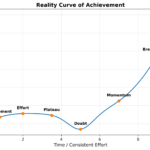 Self-developmentMarch 9, 2026The Reality Curve of Achievement: Why Success Feels Slow Before It Feels Sudden
 MetaphysicsMarch 6, 2026The Levels of Consciousness That Shape Your Life: Why Awareness Determines the Quality of Your Decisions and Your Destiny